
Meet the participants
-
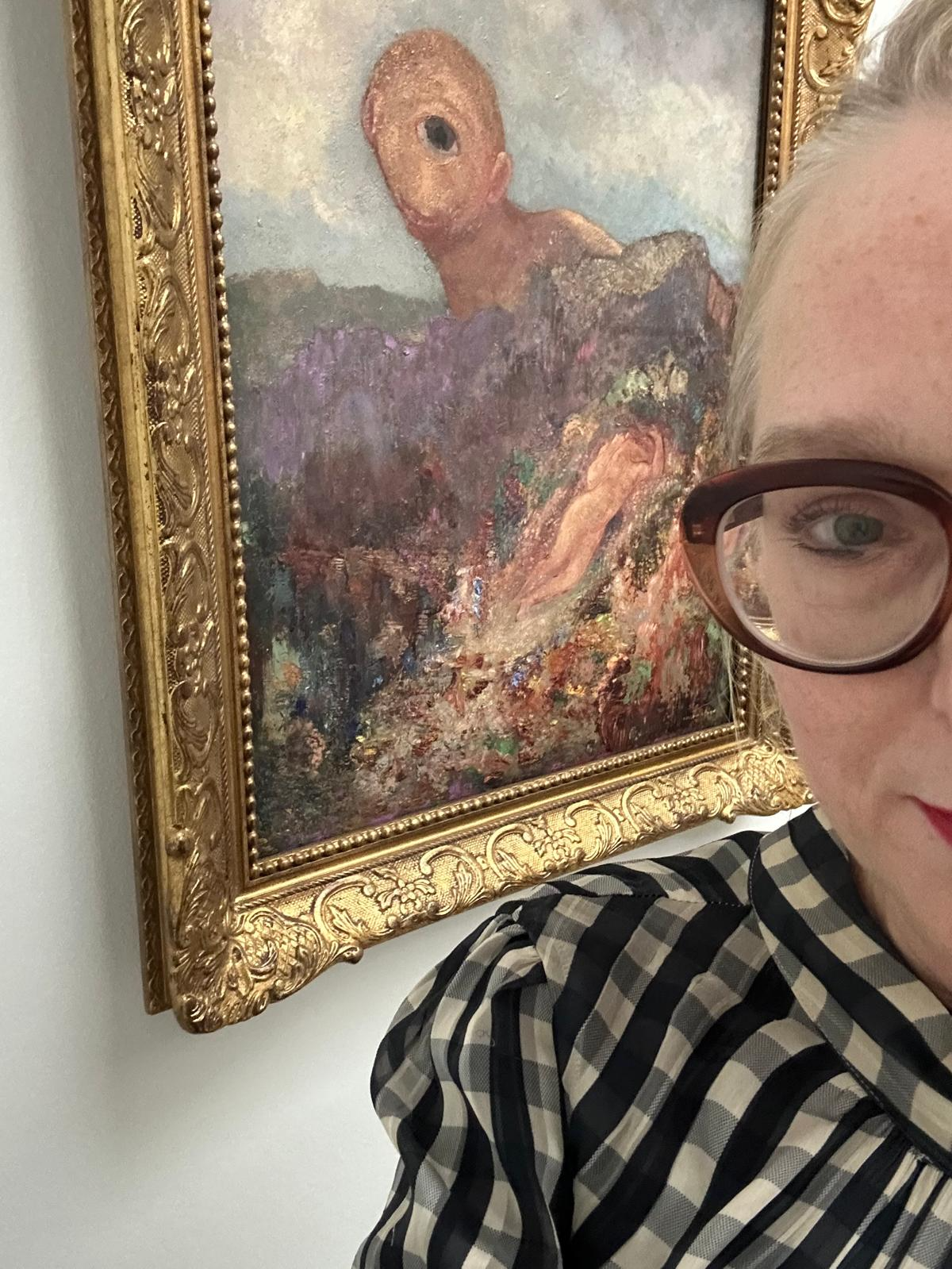
Irene Hanenbergh (VIC, Australia)
9 - 30 November 2026
Based in Melbourne and originally from the Netherlands, artist Irene Hanenbergh creates evocative and otherworldly paintings and drawings that are personal and contemporary renderings of the sublime. Primordial structures and events morph in and out of formation and are infused with influences of the baroque, romanticism and marginal folk/fantasy genres. Hanenbergh describes her works as “liminal portals” suggesting psychological and physical spaces that lie just beyond our grasp. The artist is represented by Neon Parc and is also part of the collaborative duo Zilverster (with Sharon Goodwin) represented by Sarah Scout Presents. During her residency, Hanenbergh will immerse herself in the architecture, histories and atmosphere of Labassa and Conservatory Residency. She will uncover tensions between the tangible and imagined by leaning into the mysterious, atmospheric qualities and allowing the known and unknown to coexist.
-
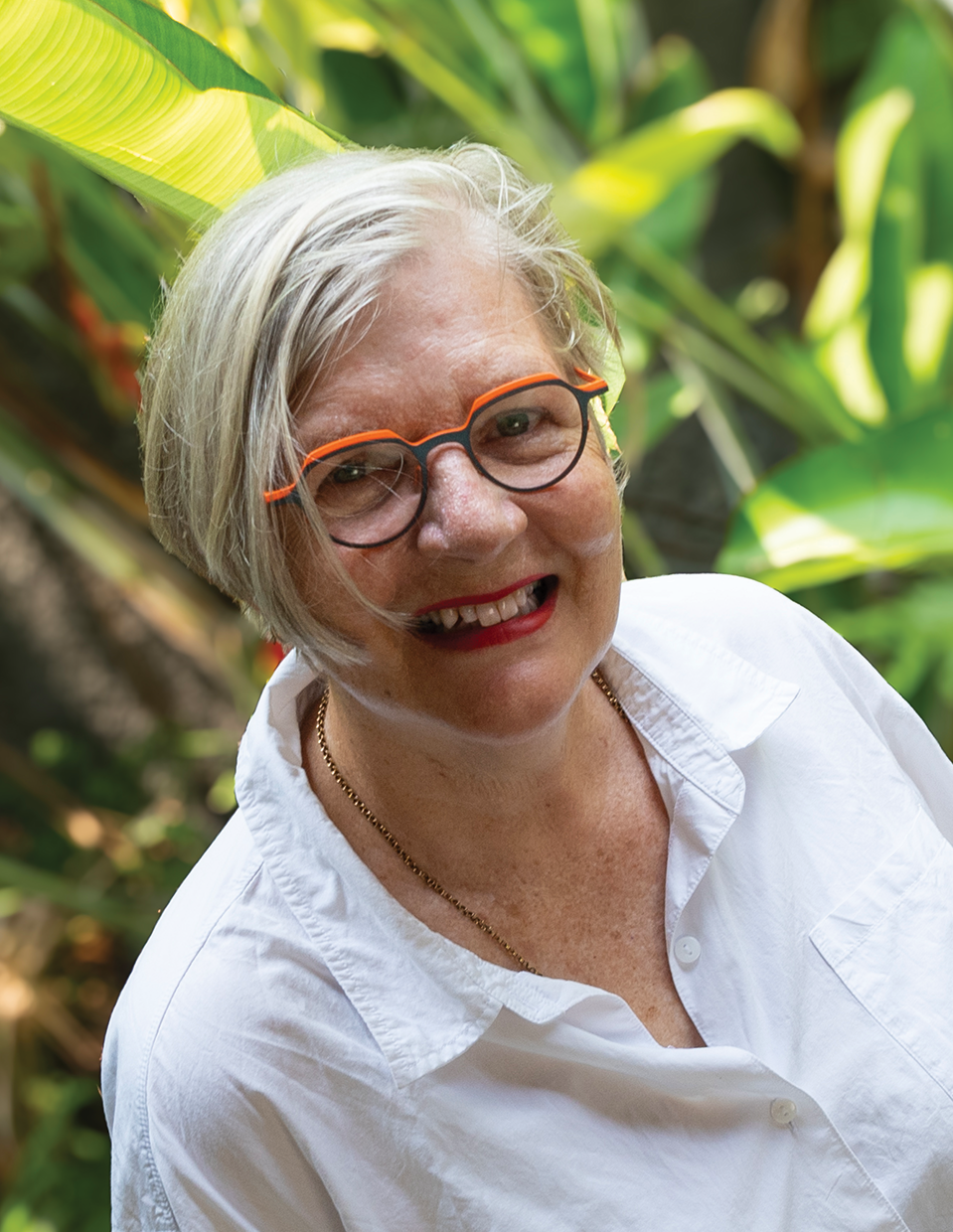
Mella Jaarsma (Indonesia)
4 - 25 October 2027
Dutch artist Mella Jaarsma moved to Yogyakarta, Indonesia and established Cemeti Art House (now called Cemeti Institute for Art and Society), together with her partner Nindityo Adipurnomo, in 1988. Mella is an established artist and curator who frequently exhibits internationally and is represented by Baik Art located in LA and Seoul. Mella’s work creates a dialogue about how urgent social and environmental issues are experienced in everyday life. Her most well known works are body-covering shelters made from unexpected materials such as frog skins with the garment symbolising protection or a ‘security blanket’. At Conservatory Residency, Mella will examine the notion of time and the ways we measure and experience it. By observing the movements of the heavens, people have long organized the solar terms, structured calendars, and brought order to their daily lives. Time became an invisible system connecting nature and humanity. How do people perceive time today? How is time measured in our globalized era, in which society is changing at an increasingly rapid pace? What happens to our relationship with natural cycles and rhythms? Clothing and costumes may again play an important role in the output of Mella’s residency, functioning as a performative language through which the work can connect directly with the viewer.